







Global powers impose harsh new restrictions as millions of Nigerians face unprecedented barriers to international travel
Nigerian travelers are confronting their worst visa restriction crisis in decades as major world powers simultaneously tighten entry requirements, effectively isolating Africa’s most populous nation from global opportunities.
Table of Contents
US Delivers Three-Month Visa Bombshell
The United States has delivered the harshest blow, slashing non-immigrant visa validity for Nigerians to just three months with single-entry permission under the Trump administration’s immigration crackdown. This dramatic reduction forces Nigerian travelers to repeatedly endure expensive, time-consuming application processes, pricing out middle-class citizens from American opportunities.
The restrictions extend beyond tourist visas to target Nigerian students and professionals through enhanced social media screening, suspended interview processes, and additional documentation requirements. The policy represents a fundamental shift in Nigerian-American relations, threatening educational exchanges and business partnerships built over decades.
Nigeria’s Ministry of Foreign Affairs has launched urgent diplomatic efforts to reverse these restrictions. Spokesperson Imomotimi Ebienfa called the measures “misaligned with the principles of reciprocity, equity, and mutual respect,” emphasizing they place “disproportionate burden on Nigerian travelers, students seeking academic opportunities, professionals engaging in legitimate business, and families visiting loved ones.”
UAE Blocks Young Nigerians, Demands $10,000 Proof
The United Arab Emirates has joined the restrictive coalition with measures specifically targeting young Nigerian professionals. New policies prohibit all Nigerians aged 18-45 from applying for tourist visas unless traveling in groups or with family members, effectively blocking individual access to Dubai’s business opportunities.
Nigerians above 45 face equally daunting requirements, needing bank statements showing $10,000 monthly closing balances over six months. The UAE has also banned transit visas entirely, forcing Nigerians to seek alternative, more expensive routing options through Dubai International Airport.
Canada Raises Bar to N17 Million
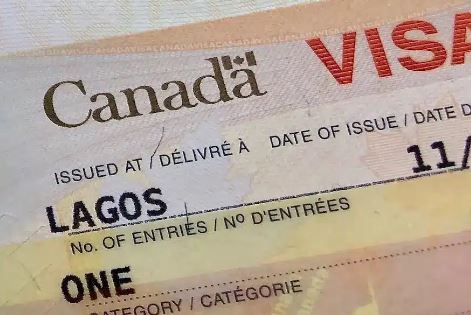
Canada, traditionally viewed as a welcoming alternative, has raised Express Entry financial requirements to N17 million for single applicants and N21.2 million for couples. This dramatic increase from previous thresholds effectively reserves Canadian immigration for Nigeria’s wealthy elite while excluding skilled middle-class professionals who historically formed the backbone of Nigerian emigration.
The Canadian government’s broader immigration cap, limiting temporary foreign workers and international students to less than five percent of the population by 2027, signals a fundamental shift away from multicultural policies that once welcomed Nigerian immigrants. Officials cite housing shortages and strained public services as justification for these reductions.
Saudi Arabia Suspends Work Visas, UK Goes Digital
Saudi Arabia temporarily suspended blockwork visa quotas for Nigerians and six other African countries, disrupting livelihoods of thousands of Nigerian workers dependent on Gulf employment opportunities. Though officially linked to Hajj season management, the restriction coincides with increased Saudization efforts prioritizing Saudi nationals in key employment sectors.
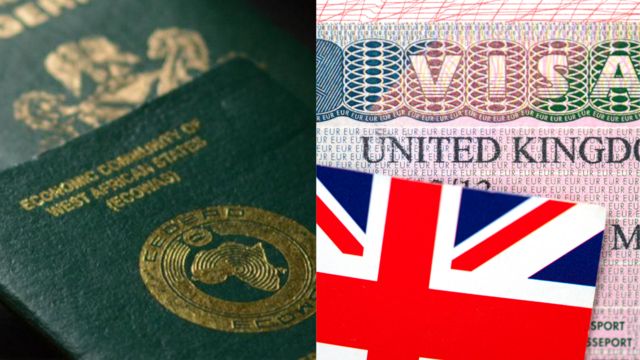
The United Kingdom has introduced digital eVisas for Nigerian students and workers from July 15, replacing physical visa stickers with online documentation. While British officials promote this as technological advancement, the digital system creates new vulnerabilities for Nigerian travelers, including potential technical failures and connectivity issues that could strand visitors abroad.
Global Pattern of Exclusion
These restrictions represent more than isolated policy decisions—they constitute a coordinated global effort to limit Nigerian mobility. The timing of measures implemented across multiple continents simultaneously suggests shared understanding among world powers that Nigerian passport holders represent unwanted burdens.
The justifications offered by restricting countries—national security, economic concerns, and public health—mask deeper prejudices about Nigerian capabilities and intentions. These policies collectively treat Nigerian citizens as presumptively problematic, requiring extraordinary proof of worthiness for international travel.
Economic Impact and Alternative Routes
The cumulative impact extends far beyond individual inconvenience. Nigerian businesses lose access to international markets, students forfeit educational opportunities, and families face separation from loved ones abroad. The restrictions effectively create a two-tiered global system where Nigerian passport holders occupy diminished status.
Economic consequences for Nigeria are severe. Reduced diaspora remittances, limited business partnerships, and decreased educational exchange threaten the country’s long-term development prospects. The restrictions also impact Nigeria’s soft power and international standing, reducing its ability to influence global affairs.
Travel industry experts report unprecedented demand for alternative destinations as traditional routes become inaccessible. Countries like Ghana, South Africa, and Morocco are experiencing increased Nigerian interest as travelers seek visa-friendly alternatives.
The crisis demands comprehensive Nigerian government response addressing underlying issues that provide justification for these restrictions. Diplomatic engagement alone has proven insufficient to counter the global trend toward Nigerian exclusion.
Only through fundamental reforms in documentation systems, security protocols, and international relations can Nigeria hope to restore its citizens’ global mobility and dignity. The stakes could not be higher for Nigeria’s future and the dreams of its 200 million citizens facing an increasingly closed world.