






The United States Embassy in Nigeria has delivered a stern ultimatum to Nigerian travelers, warning that those who overstay visa will face immediate deportation and potentially permanent travel bans from America.
This escalation comes as President Donald Trump’s administration intensifies its immigration crackdown, implementing sweeping visa restrictions that have sent shockwaves through Nigeria’s travel-dependent population.
Table of Contents
- 1 Zero Tolerance Policy Takes Effect
- 2 Devastating New Restrictions Hit Nigerian Travelers
- 3 Financial Penalties Mount
- 4 Social Media Surveillance Intensifies
- 5 Understanding the Deportation Threat
- 6 Trump’s Immigration Crackdown Expands
- 7 Global Reciprocity Justification
- 8 Exemptions and Clarifications
- 9 Impact on Nigerian Communities
- 10 Government Response and Future Outlook
Zero Tolerance Policy Takes Effect
In a blunt statement posted on its official social media channels yesterday, the US Mission in Nigeria left no room for ambiguity: “If you remain in the United States beyond your authorised period of stay, you could be deported and could face a permanent ban on travelling to the United States in the future.”
The warning represents a significant hardening of America’s stance toward Nigerian visitors, signaling that the era of lenient enforcement may be ending under Trump’s renewed presidency.
Immigration experts describe the move as part of a broader strategy to reduce unauthorized stays, with Nigeria becoming a key focus due to documented cases of visa overstays among its citizens.
Devastating New Restrictions Hit Nigerian Travelers
The deportation warning follows a cascade of punitive measures announced by US authorities last week that have fundamentally altered the landscape for Nigerian travelers seeking American visas.
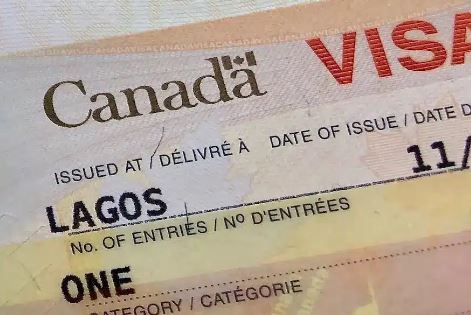
Most significantly, the US slashed visa validity periods for Nigerians from the previous five-year visitor visas and two-year student visas to a restrictive three-month single-entry arrangement. This dramatic reduction means Nigerians must now apply for new visas for every trip to America, creating unprecedented bureaucratic hurdles.
The policy shift, justified under “reciprocity” provisions, effectively places Nigeria in the same category as countries considered high-risk for immigration violations.
Financial Penalties Mount
Adding financial pressure to administrative complexity, the US introduced a mandatory $250 “integrity fee” targeting Nigerian students, workers, and tourists. This fee applies to multiple visa categories including B-1/B-2 (tourist/business), F and M (students), H-1B (workers), and J (exchange visitors).
Additional non-waivable surcharges include a $24 I-94 fee and a $13 Electronic System for Travel Authorization (ESTA) fee, creating a cumulative financial burden that could deter many Nigerian applicants.
Only diplomatic applicants in categories A and G receive exemptions from these new charges, highlighting the targeted nature of the restrictions.
Social Media Surveillance Intensifies
In an unprecedented expansion of vetting procedures, the US now mandates that all Nigerian applicants seeking student or exchange visitor visas surrender their digital privacy entirely.
Applicants must provide all social media usernames and remove privacy settings, allowing American authorities comprehensive access to personal online activities. The Embassy justified this invasive requirement by stating: “Every visa adjudication is a national security decision.”
The measure affects F, M, and J non-immigrant visa categories, essentially requiring Nigerians to accept complete digital surveillance as a condition for American education or cultural exchange opportunities.
Understanding the Deportation Threat
US immigration law establishes a graduated punishment system for visa overstays that escalates rapidly. Overstaying by more than 180 days but less than one year triggers a three-year entry ban. Exceeding one year results in a 10-year prohibition, while the most serious violations can lead to permanent exclusion from America.
These consequences follow individuals indefinitely, creating lasting barriers to future travel, education, business, or family reunification opportunities in the United States.
The automated tracking systems now employed by US immigration authorities make detection of overstays virtually certain, eliminating any possibility of avoiding consequences through bureaucratic oversight.
Trump’s Immigration Crackdown Expands
President Trump’s return to office has catalyzed an aggressive immigration enforcement agenda that extends far beyond traditional border security concerns. The administration has signed multiple executive orders demanding enhanced screening processes and stricter compliance monitoring.
These measures specifically target what Trump’s team characterizes as threats to national security, including potential connections to “foreign terrorist groups” and individuals who might “bear hostility towards the country.”
The Nigerian restrictions represent an early application of this hardline approach to allies and trading partners, suggesting similar measures may affect other nations in the coming months.
Global Reciprocity Justification
US officials have attempted to frame the Nigerian restrictions within broader “reciprocity” principles, noting that Nigeria historically provided only three-month single-entry visas to American citizens while receiving more generous treatment from the US.
However, critics argue this explanation masks deeper concerns about Nigerian compliance with immigration agreements and statistical overstay rates that have drawn administrative attention.
The US Mission in Nigeria emphasized that “visa reciprocity is a continuous process and is subject to review and changes at any time,” suggesting current restrictions could either tighten further or potentially ease based on Nigerian government responses.
Exemptions and Clarifications
Importantly, the new restrictions apply only to non-immigrant and non-diplomatic visas, leaving immigrant visa pathways theoretically unaffected. Visas issued before July 8, 2025, retain their original validity periods and terms.
US officials have also clarified that the changes are not connected to Nigeria’s positions on third-country deportees, e-visa policies, or BRICS membership, focusing instead on “technical and security benchmarks” for immigration system protection.
Impact on Nigerian Communities
The cumulative effect of these restrictions threatens to severely disrupt established patterns of Nigerian travel to America for education, business, healthcare, and family visits. Students face particular hardship, as the shortened visa validity periods and increased fees create substantial barriers to American higher education.
Business relationships built over decades may suffer as entrepreneurs and professionals find travel logistics increasingly complicated and expensive. Medical tourism, traditionally important for wealthy Nigerians seeking American healthcare, faces similar obstacles.
Government Response and Future Outlook
Nigerian authorities have yet to announce formal responses to the American restrictions, though diplomatic sources suggest conversations continue behind closed doors. The potential for retaliatory measures against American citizens traveling to Nigeria remains a consideration.
The US Mission in Nigeria concluded its announcements by expressing commitment to “working closely with the Nigerian public and government officials to help them meet the necessary criteria and benchmarks” for restored travel privileges.
However, the timeline for any potential easing of restrictions remains unclear, leaving millions of Nigerians facing an uncertain future regarding American travel opportunities.
The message from Washington appears unmistakable: compliance with American immigration rules will be strictly enforced, with severe consequences for violations that could last a lifetime.