






Nigerian students seeking to study abroad in 2025 are facing unprecedented financial challenges as countries worldwide dramatically increase their student visa fees, with Australia delivering the biggest shock at a crushing AUD 2,000 (approximately ₦1.8 million) per application.
The massive fee increases have transformed what was once an achievable dream for many Nigerian families into a privilege reserved for the wealthy, as destination countries either attempt to reduce international student numbers or generate additional revenue from foreign applicants.
Table of Contents
- 1 Australia’s Devastating 180% Fee Increase
- 2 United Kingdom Maintains Premium Pricing
- 3 Canada Emerges as Preferred Alternative
- 4 New Zealand’s Moderate Approach
- 5 Ireland Offers Surprising Affordability
- 6 United States Maintains Consistent Pricing
- 7 Germany’s Deceptive Fee Structure
- 8 France and Sweden’s Balanced Approaches
- 9 Singapore’s Digital Efficiency
- 10 Impact on Nigerian Families
- 11 Driving Forces Behind Fee Increases
- 12 Strategic Planning for Nigerian Students
- 13 Future Outlook for Nigerian Students
Australia’s Devastating 180% Fee Increase
Australia has delivered the most painful blow to Nigerian students, catapulting their student visa fee from AUD 710 to AUD 2,000—a devastating 180% increase that has left many families reconsidering their children’s education plans.
The new fee structure affects virtually all international applicants, with only students from Pacific Island nations and Timor-Leste receiving reduced rates. Nigerian students, already struggling with the naira’s weakness against major currencies, now face an initial visa cost of approximately ₦1.8 million before even considering school fees, accommodation, or living expenses.
To compound the financial burden, Australia’s mandatory Overseas Student Health Cover (OSHC) requirement adds significant additional costs, making Australian education increasingly unattainable for average Nigerian families.
Education consultants in Lagos, Abuja, and Port Harcourt report that the fee increase has already prompted many prospective students to abandon their Australia plans, with several now exploring more affordable alternatives.
Mrs. Funmi Adebayo, an education consultant in Victoria Island, told our correspondent: “Parents are now asking me to remove Australia from their children’s options. The visa fee alone exceeds what some people earn in six months.”
United Kingdom Maintains Premium Pricing
The United Kingdom continues its premium positioning with a flat £524 (approximately ₦850,000) student visa fee, accompanied by the Immigration Health Surcharge (IHS) of approximately £470 per year, calculated based on course duration.
For Nigerian students pursuing four-year undergraduate degrees, the combined visa and health surcharge costs can exceed ₦2 million before departure—a substantial upfront investment that many families must finance through loans or asset sales.
Despite processing times extending up to eight weeks depending on application location, UK universities maintain strong demand from Nigerian students, though the financial barriers are becoming increasingly prohibitive for middle-class families.
Canada Emerges as Preferred Alternative
Canada has positioned itself as the more reasonable option with its modest CAD 150 (approximately ₦180,000) study permit fee, maintaining straightforward application requirements that contrast sharply with other destinations.
The relatively low application cost, combined with post-graduation work opportunities, has made Canada increasingly attractive to Nigerian students seeking quality education without devastating financial impact.
However, students requiring status restoration face significantly higher fees of CAD 389.75, emphasizing the importance of maintaining legal compliance throughout their studies.
New Zealand’s Moderate Approach
New Zealand charges NZD 850 (approximately ₦650,000) for its Fee Paying Student Visa, valid for study periods up to four years, while allowing part-time work during academic sessions and full-time employment during scheduled breaks.
The country’s upcoming transition to an upgraded Immigration Online platform from August 18, 2025, promises streamlined processing but maintains the current fee structure that places it in the middle range of global destinations.
Ireland Offers Surprising Affordability
Ireland stands out with remarkably low visa fees, charging only €60 (approximately ₦75,000) for single-entry visas and €100 (approximately ₦125,000) for multiple-entry options, making it one of the most accessible European destinations for Nigerian students.
The straightforward processing system and multiple-entry options for eligible nationalities have made Ireland increasingly popular among cost-conscious Nigerian families seeking European education opportunities.
United States Maintains Consistent Pricing
The United States continues its consistent approach with the long-standing $185 (approximately ₦285,000) fee for F and M visas, providing predictable costs in an otherwise volatile global landscape.
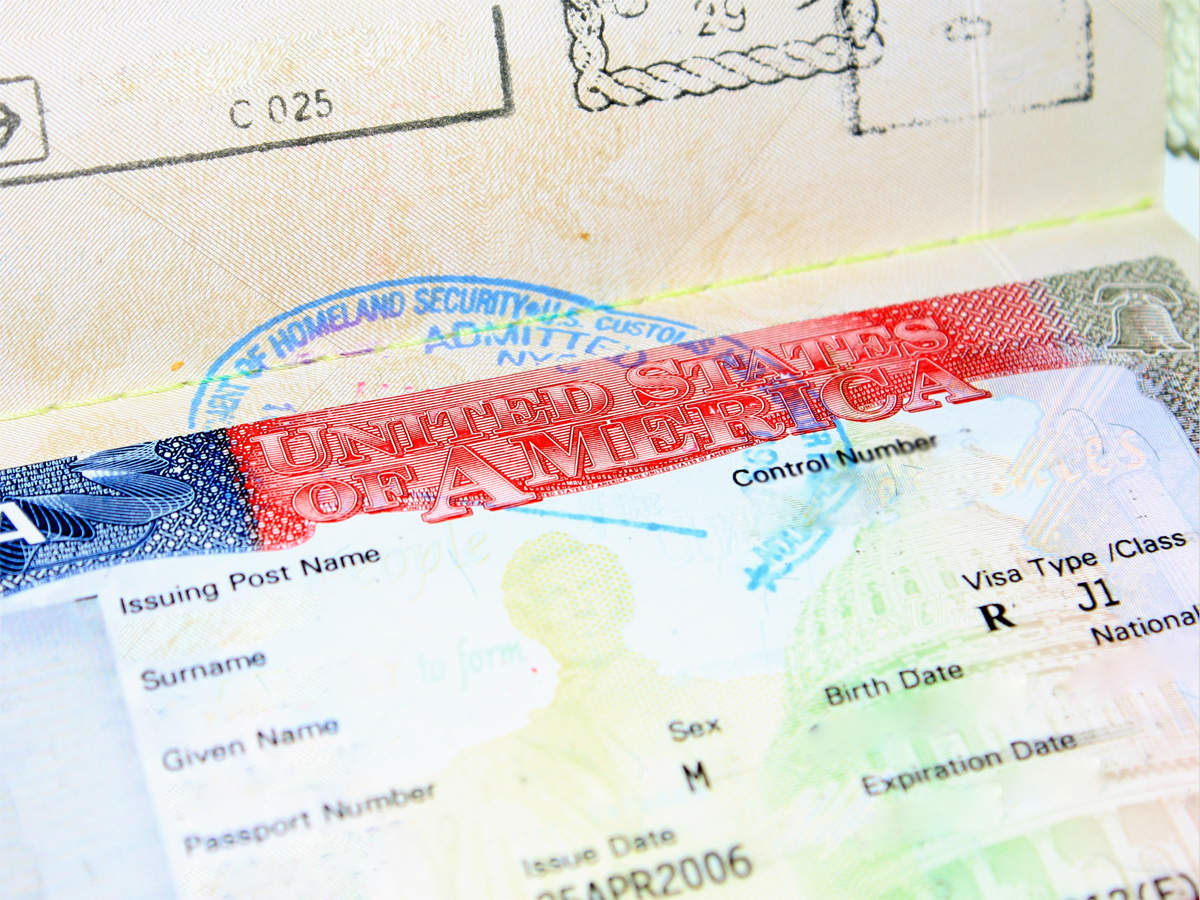
The fee applies to both academic and vocational students, with J-visa exchange applicants potentially exempt if their programs receive US government sponsorship.
Despite increasing competition from other countries and recent policy uncertainties, the US remains a major destination for Nigerian students, though the overall cost of American education continues rising beyond visa fees.
Germany’s Deceptive Fee Structure
Germany’s seemingly affordable €75 (approximately ₦95,000) visa fee masks substantial hidden costs that can shock unprepared Nigerian applicants.
The mandatory blocked account requirement of €11,904 (approximately ₦15 million) represents a massive upfront financial commitment, with monthly withdrawal limits capped at €992 starting September 2024.
Additional costs include APS certification, health insurance, and extensive documentation requirements that can push total visa-related expenses well beyond the advertised fee.
France and Sweden’s Balanced Approaches
France offers reduced visa fees for Études en France applicants, charging €50 (approximately ₦65,000) for Indian and select EEF countries, with €99 (approximately ₦125,000) for other nations.
Sweden maintains SEK 1,500 (approximately ₦200,000) for student residence permits, with half-price rates for minors and certain scholarship holders, representing a reasonable approach to international student fees.
Singapore’s Digital Efficiency
Singapore leads in administrative efficiency with its fully digital, paperless visa process costing S$60 (approximately ₦75,000), complemented by optional multiple journey visas for an additional S$30.
The streamlined application system through Singpass or FileSG, combined with biometric enrollment, represents the future of visa processing that other countries may eventually adopt.
Impact on Nigerian Families
The dramatic fee increases are forcing Nigerian families to make difficult choices about international education investments. Many are abandoning traditional destinations like Australia and the UK, while others are exploring emerging alternatives in Asia and Eastern Europe.
Education loan companies in Nigeria report increased demand for financing products specifically designed for visa fees and initial expenses, highlighting the growing financial pressure on families.
Mr. Chidi Okafor, whose daughter was planning to study in Australia, expressed his frustration: “We saved for two years for her education, but now the visa fee alone has significantly reduced our budget. We’re considering Canada instead.”
Driving Forces Behind Fee Increases
Several factors are driving the global trend toward higher student visa fees:
Demand Management: Countries use pricing mechanisms to control international student numbers and maintain quality standards for both domestic and international applicants.
Revenue Generation: Governments seek additional income streams to fund student services, infrastructure improvements, and administrative processing costs.
Post-Pandemic Recovery: Nations are attempting to recover losses from 2020-2022 when international student numbers dropped dramatically due to travel restrictions.
Policy Alignment: Some countries align visa fees with broader immigration policies designed to attract serious, committed students while discouraging casual applications.
Strategic Planning for Nigerian Students
Given these escalating costs, Nigerian students and families must adopt more strategic approaches to international education planning:
Comprehensive Budgeting: Calculate total upfront costs including visa fees, health insurance, financial deposits, documentation, and initial living expenses.
Strategic Applications: Research multiple destinations and submit applications to countries with varying fee structures to maximize options.
Alternative Destinations: Explore emerging destinations in Asia, Eastern Europe, or Latin America that offer quality education at lower visa costs.
Early Financial Planning: Investigate scholarship opportunities, education loans, and family financial planning well in advance of application deadlines.
Future Outlook for Nigerian Students
The trend toward higher student visa fees appears likely to continue as countries balance international education revenue with domestic policy objectives. Nigerian students must adapt to this new reality by making more informed destination choices and comprehensive financial planning.
While traditional destinations like Australia and the UK become increasingly expensive, opportunities may emerge in countries seeking to attract international students through competitive pricing and streamlined processes.
The global education landscape is rapidly evolving, and Nigerian students who adapt quickly to these changes will be best positioned to achieve their international education goals despite rising costs.
For families planning to send their children abroad, the new reality demands more careful budgeting, consideration of alternative destinations, and much earlier savings plans. The era of accessible international education is clearly ending, replaced by a more selective and expensive system that favors the financially prepared.